Why Off-Grid Living in Canada Is Becoming a Smart, Strategic Choice

Updated: Oct 14
Off-grid living in Canada is no longer extreme or fringe. It's a practical response to rising energy costs, grid instability, water security concerns and the desire for long-term independence. For many Canadians, the question is no longer whether to become more self-reliant, but how to do it properly. That is exactly why OffGrid Nexus exists.
Canada's infrastructure reality
Canada has vast land, harsh climates and long supply chains. Rural and remote properties often face:
Power outages
Limited water infrastructure
High utility costs
Delayed maintenance and repairs
When a storm takes down a line or a pump fails in January, help can be days away. Relying 100% on centralized systems creates vulnerability. Off-grid and hybrid systems reduce that risk by putting your most important resources under your own control.
What off-grid really means today
Modern off-grid living is not about disconnecting from society. It's about control, redundancy and resilience. In Canada, it typically includes:
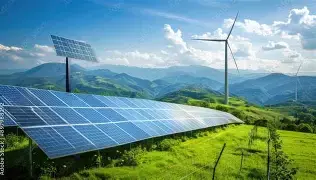
Solar and hybrid energy systems
Battery storage for winter reliability
Independent water sourcing and filtration
Efficient heating suited to cold climates
Scalable systems for homes, cabins and small farms
You can stay connected to the grid and still be independent. A hybrid setup, for example, keeps your utility connection but adds solar panels and batteries so the essentials keep running when the grid goes down.
Water independence comes first
In Canadian conditions, water security is critical. Freezing temperatures, aging infrastructure and remote locations make a few things essential in any serious off-grid setup:
Rainwater harvesting to collect and store water on site
Reliable water filtration to make well, lake or rainwater safe to use
Storage and pressure systems to deliver water to your taps all year
Without water, nothing else works. That's why we suggest planning your water before you plan your power.
Energy independence is about stability
Off-grid solar and battery systems in Canada are not about ideology. They are about:
More predictable long-term costs
Backup power during outages
Less dependence on utilities
Reliable power in remote areas
A properly sized system turns your energy use into something you plan for, not something you react to. Today's systems are designed for real homes, not experiments. Our complete solar kits bring the panels, batteries and inverter together so the parts are matched from the start.
Why OffGrid Nexus exists
Too many people end up piecing together a setup from mismatched parts bought in different places. OffGrid Nexus is a curated systems store for Canadians who want:
Proven equipment
Reliable manufacturers
Long-term durability
Solutions suited to Canadian conditions
We focus on systems, not gadgets: equipment selected to work together, with Canadian winters in mind.
Independence is a system
True self-sufficiency comes from how your systems connect:
Energy supports water: solar power runs the pump that fills your tank.
Water supports food: clean water feeds your garden or hydroponic system.
Waste supports soil: a composting toilet breaks waste down into compost instead of sending it to a septic tank. Check your local rules on using finished compost.
Soil supports sustainability: healthy soil keeps the cycle going year after year.
When one system is planned without the others, gaps appear. When they're designed together, each one makes the next stronger. That connection is the "Nexus."
The future in Canada is decentralized
Whether it's driven by cost, reliability or lifestyle, more Canadians are choosing self-reliance by design. OffGrid Nexus exists to support that shift with clarity, quality and long-term thinking. To plan your own setup step by step, read our guide to off-grid living in Canada.
Have questions about your cabin, cottage or home? Contact us and you'll talk with Bryan directly.

Comments