Off-Grid Waste and Sanitation
Without a sewer line, every drop of wastewater from your cabin or rural home needs somewhere to go. This page looks at the whole picture: toilet waste, venting, greywater and seasonal use. The Sun-Mar composting toilets shown below take care of the toilet side, using little or no water.

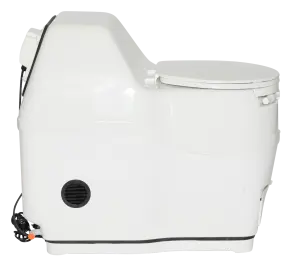
Compost Toilets
Eco-friendly, waterless toilet systems designed for off-grid living, cabins, and sustainable homes.

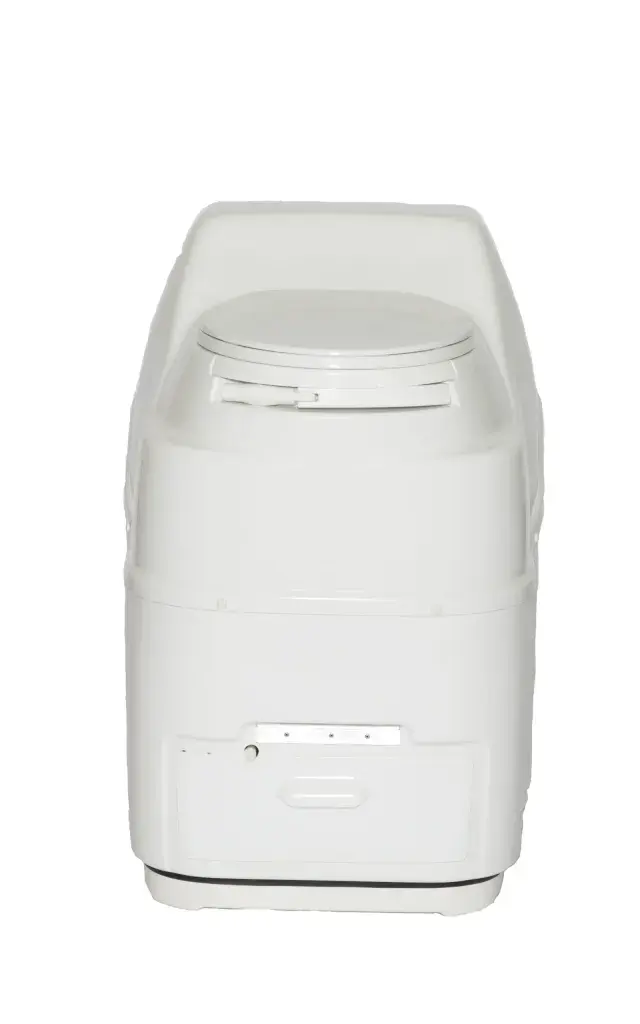
Incinerator Toilets
Advanced waste-to-ash systems that require no water or plumbing—ideal for remote and off-grid environments.






Three things to plan for
Sanitation in an off-grid building is really three separate jobs. Plan each one on its own.
Toilet waste. A composting toilet breaks it down on site instead of sending it to a septic tank. With a urine-diverting model like the GTG, also plan where the separated liquid will go.
Greywater. Water from sinks, showers and laundry is not handled by a composting toilet. It usually needs its own treatment or disposal system, and the requirements depend on where you live.
Air. Composting needs a steady flow of air, and the vent is what keeps odours outside. The Excel NE uses natural airflow through a vent stack, and the Centrex 1000 uses constant airflow venting.
Where the equipment goes
Look at your floor plan before you pick a model. A self-contained toilet needs bathroom floor space and a clear path for the vent pipe. A central Centrex system also needs a separate spot for the composting unit, so check the installation guide for placement and clearances. Electric models need an outlet nearby and a place in your power budget.
Planning checklist
How many people will use it, and how many days a year?
Do you have steady power, or only a small solar system?
Is there room for a separate composting unit, or only the bathroom?
Where will the vent pipe exit the wall or roof?
How will greywater be handled, and what does your municipality require?
Will the building sit unheated in winter?
Seasonal cottages and hunting camps
Many cottages open in spring and close in the fall. Part-time use is easier on capacity, and a non-electric model does not depend on power while the place sits empty. Before you close up, follow the manufacturer's off-season instructions. If you plan winter visits, talk to us about cold-weather use first. For more on living away from the grid, read our guide to off-grid living in Canada.
Ready to choose? Our composting toilet buying guide explains the model types, and our model comparison lines up the specs.
Frequently asked questions
Is a composting toilet allowed where I live?
It depends on your municipality and province. Rules for toilets and greywater differ across Canada, and some projects need a permit. Call your municipal office before you build or renovate.
Will it smell?
Sun-Mar designs its toilets for odour-free operation, and a well-installed vent is a big part of that. Keep the vent run as the manufacturer recommends and do not block the airflow.
What happens to the finished compost?
Sun-Mar systems turn waste into compost using their Bio-drum process. Follow the manual for emptying, and check local rules on how the finished material may be used or disposed of.
Planning sanitation for a new build or an older cottage? Talk it over with us at 579-999-7666 (Monday to Friday, 9 a.m. to 5 p.m. ET), write to support@offgridnexus.ca, or reach us through our contact page.