Food Preservation and Storage
Grow it, harvest it, then make it last. This section brings together D-Freeze freeze dryers and stainless steel tray dehydrators for Canadian homesteads, cabins and small farms. Use the guide below to plan a pantry for long winters and pick the method that fits your food, your space and your power.




Plan your pantry before you buy
Start with what you actually eat and grow: garden vegetables, berries, wild game, fish, leftovers, full meals. Then estimate how much comes in at once. Most Canadian gardens peak over a few weeks in late summer, so the right machine is the one that keeps up during harvest, not the one sized for a quiet week in March. For the bigger picture, see our guide to off-grid living in Canada.
How much food arrives at the peak of harvest?
How much shelf space do you have for jars, bags or buckets?
Do you run on grid power, solar or a generator?
Do you want snacks and ingredients, or ready-to-eat meals?
Comparing the two methods
Dehydrating blows warm air across the food. It is simple, affordable and quick to learn. Our stainless steel dehydrators range from a 10-tray home model to a 60-tray commercial unit. Dried food is lighter and smaller, but it gets chewier.
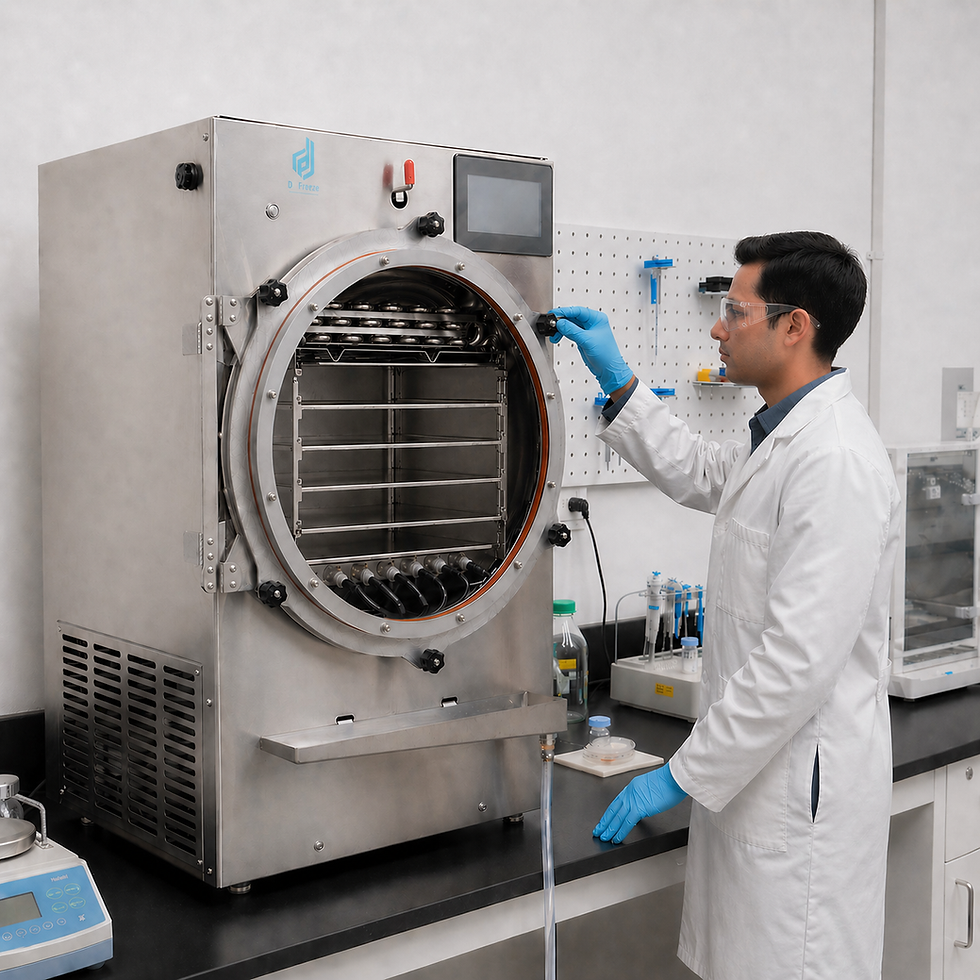
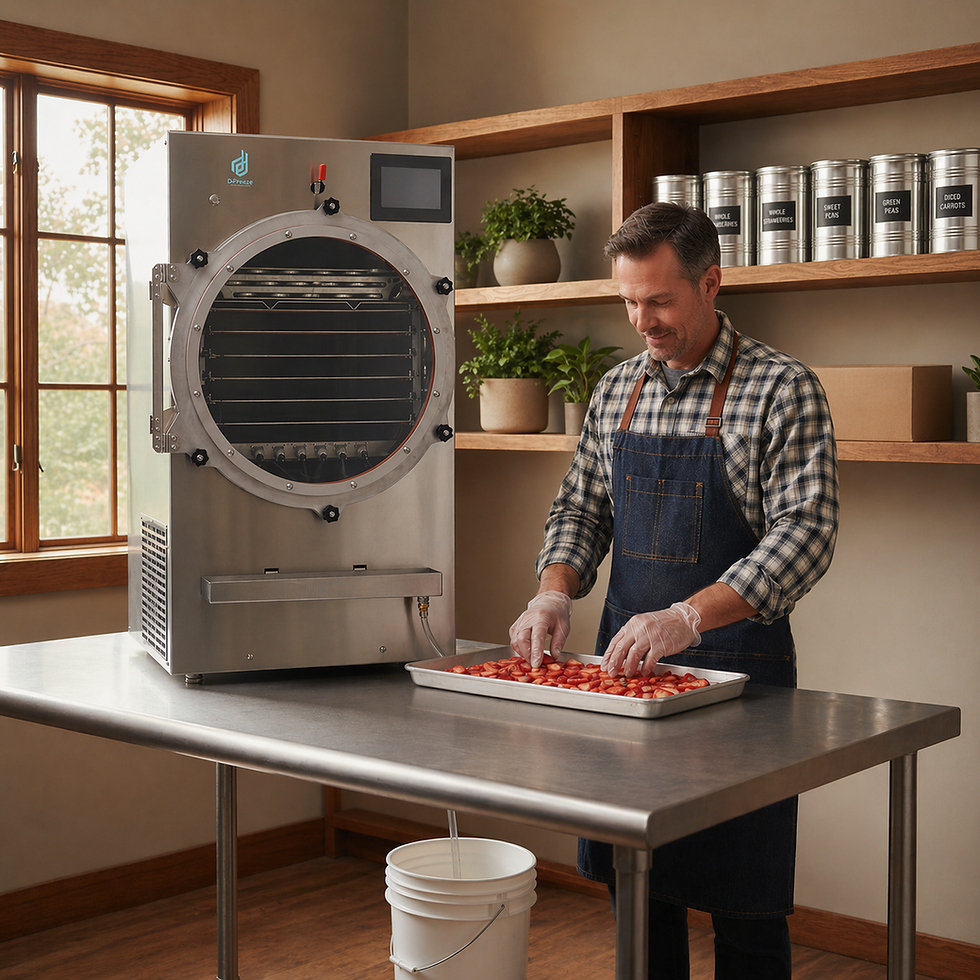
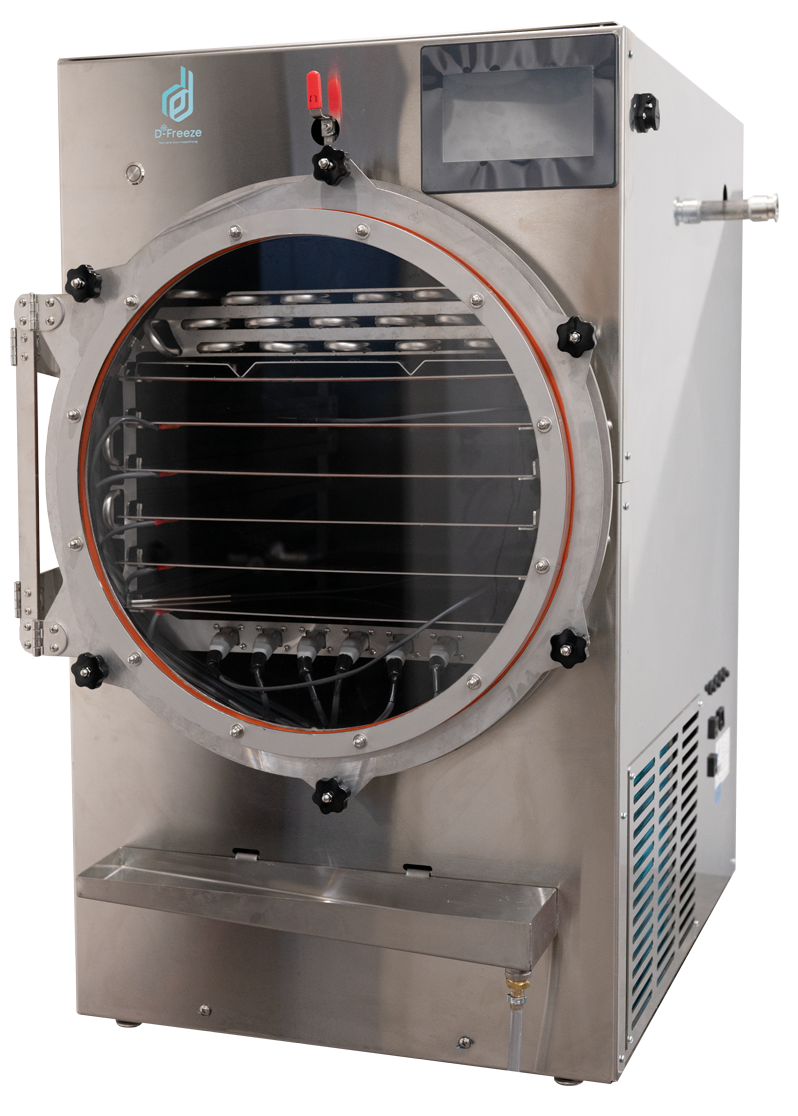
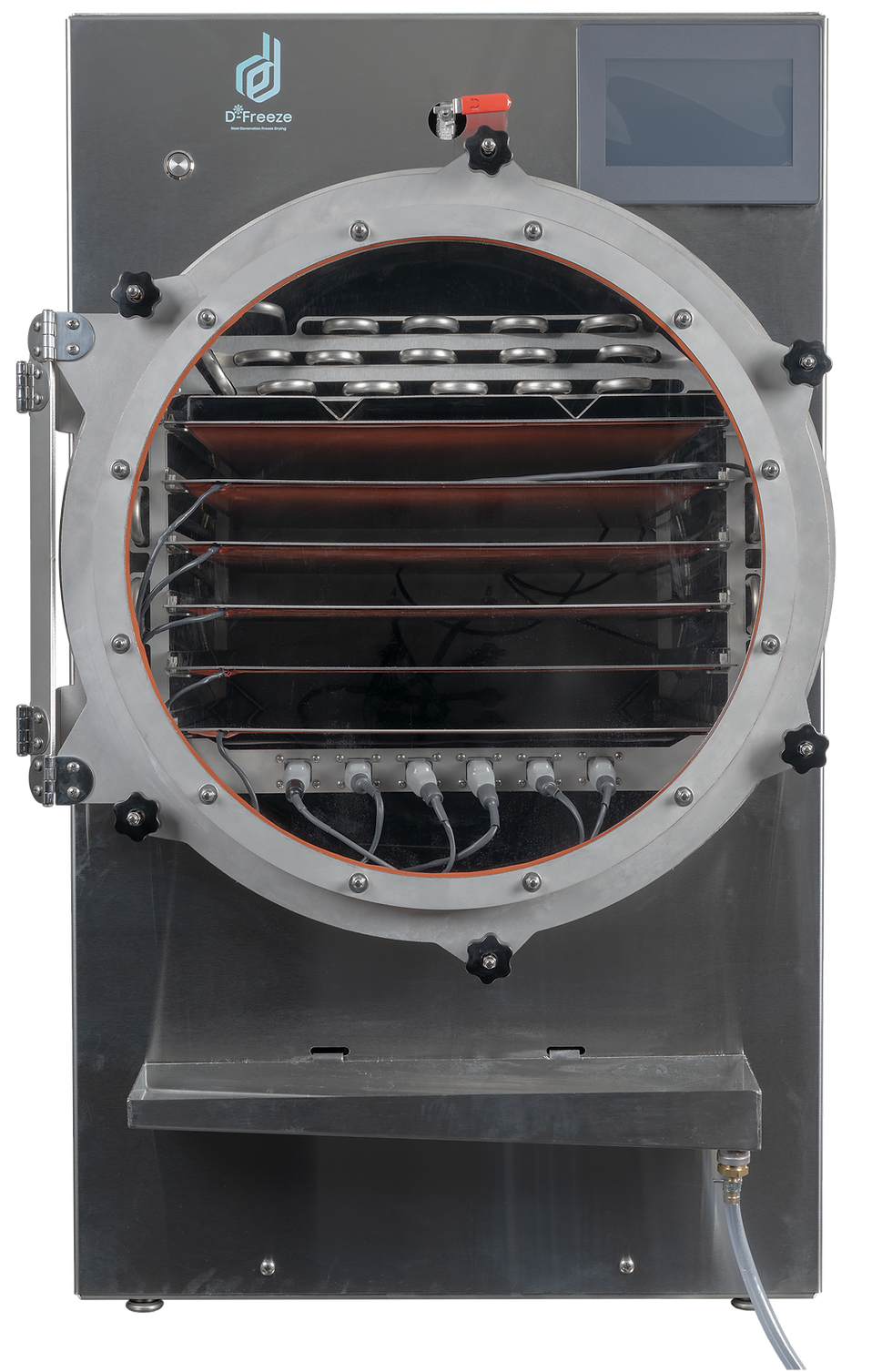
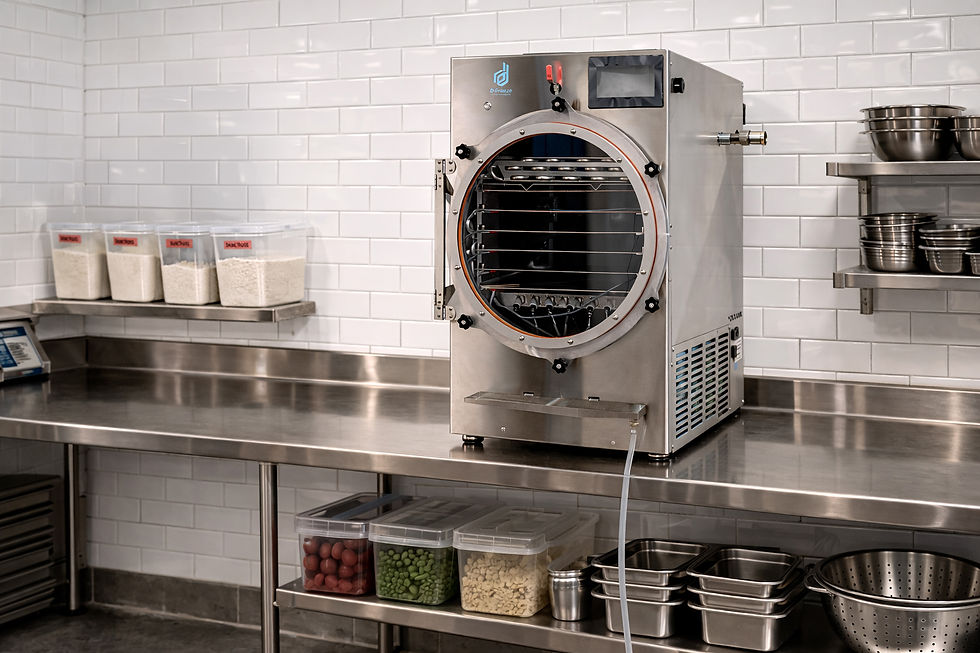
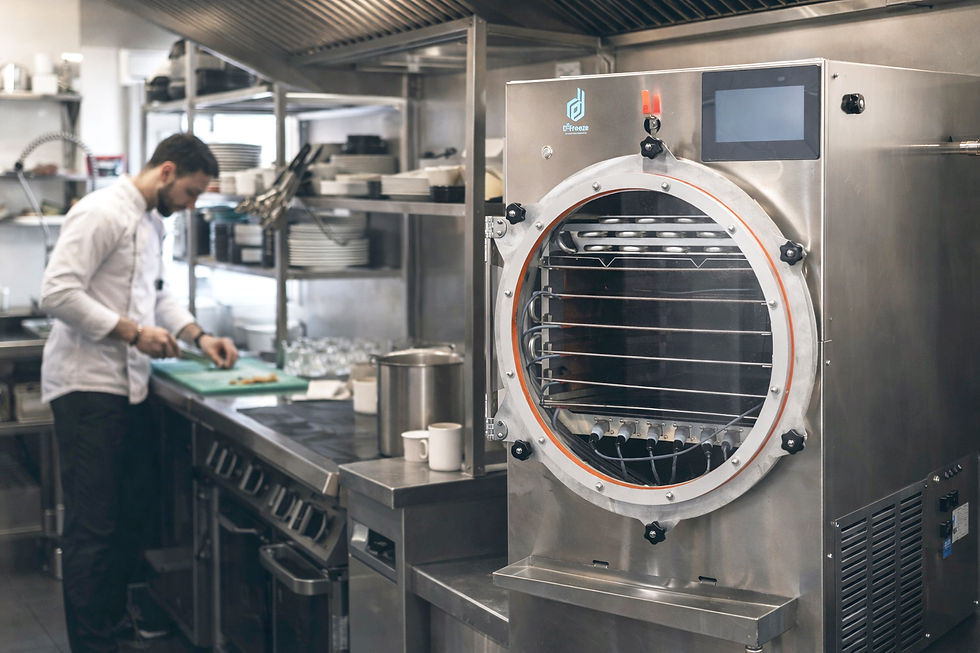
Freeze drying freezes the food, then pulls the water out under vacuum. It keeps more of the original texture and works well for cooked meals. Our D-Freeze freeze dryers handle about 20 to 28 lb of fresh food per batch on the half-tray models and about 40 to 50 lb on the full-tray model. The trade-off is a higher price, a heavier machine and the need for the right outlet.
Powering preservation off-grid
Both machines run for hours at a time. If your home runs on solar, plan the load before harvest season, when you will want to run batch after batch. Our solar sizing calculator helps you estimate the batteries and panels you need. Have a licensed electrician install any new outlet or circuit.
Frequently asked questions
Which method is best for a beginner?
A home dehydrator is the easiest place to start. It costs less and teaches you the basics of prepping and storing food. Many people add a freeze dryer later, once they know how much they put away each year.
Does it make sense to own both?
Yes. A common split is to dehydrate jerky, fruit leather and dried vegetables, and to freeze dry cooked meals, meat and soft fruit. Running both machines spreads out the harvest workload.
How should I store dried and freeze-dried food?
Keep it dry, airtight and away from light and heat. Glass jars, mylar bags and sealed buckets all work. Label each package with the food and the date so you use the oldest first.
Want help planning your setup? Call us at 579-999-7666 (Monday to Friday, 9 a.m. to 5 p.m. ET) or email support@offgridnexus.ca.