Building an Off-Grid Water System
Running water at a cabin or rural home comes down to five links: a source, a pump, filtration, UV disinfection and steady pressure. This page shows how those pieces fit together, from a lake, well or rain tank all the way to your tap, with pointers to the right equipment for each step.




Step 1: Choose and protect your source
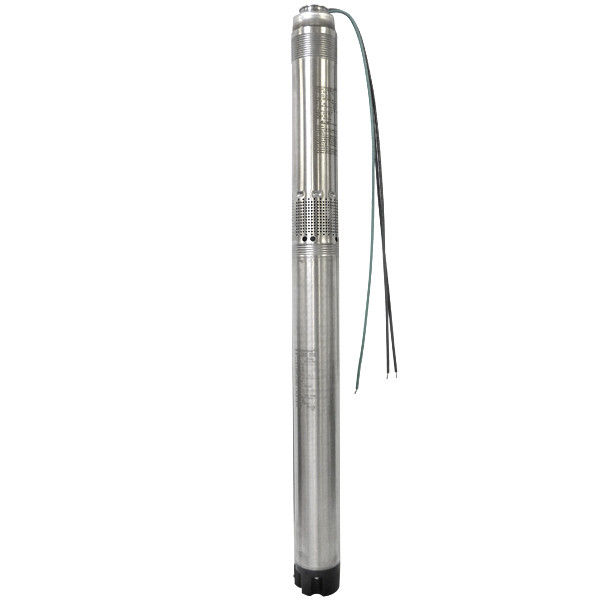
Drilled well. The most common year-round source for a rural home. A submersible well pump such as the Grundfos SQE sits down in the well.
Lake or river. Plenty of water, but quality changes through the year. The intake must be screened, and the line needs a plan to keep it from freezing in winter.
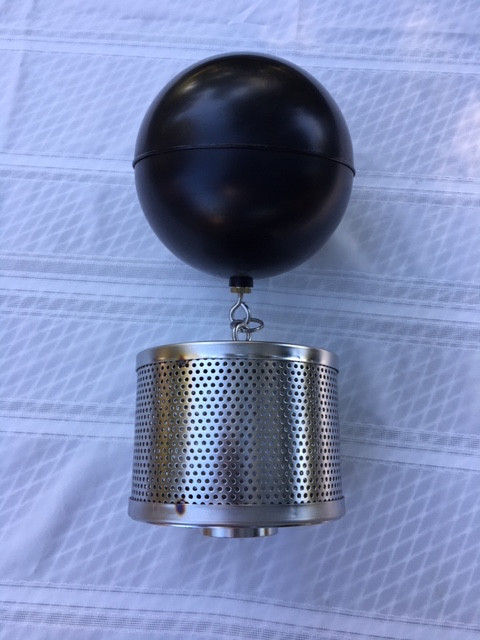
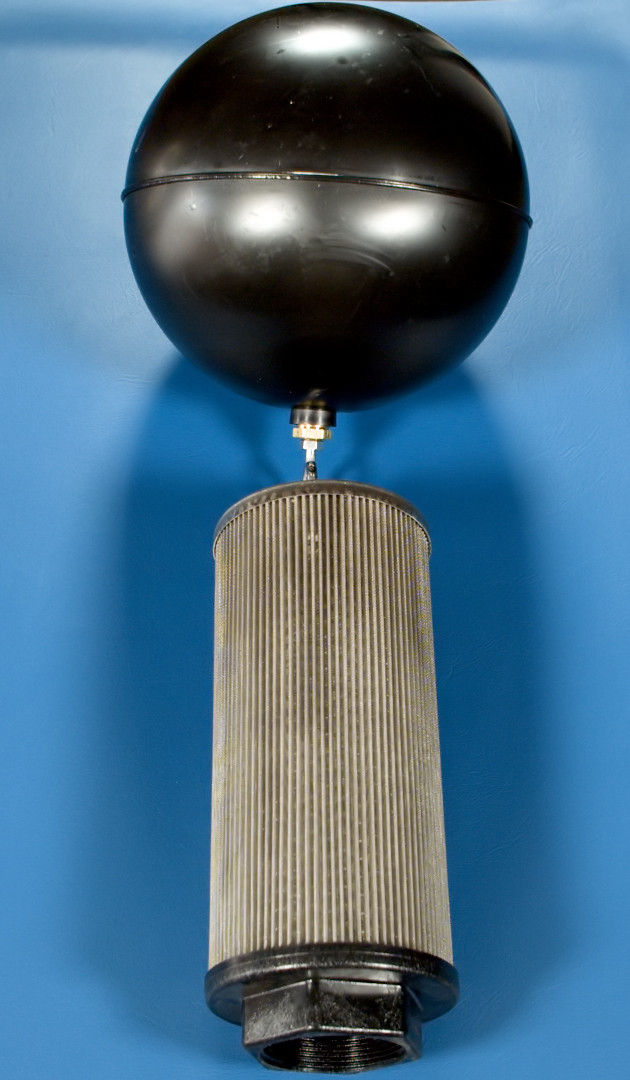
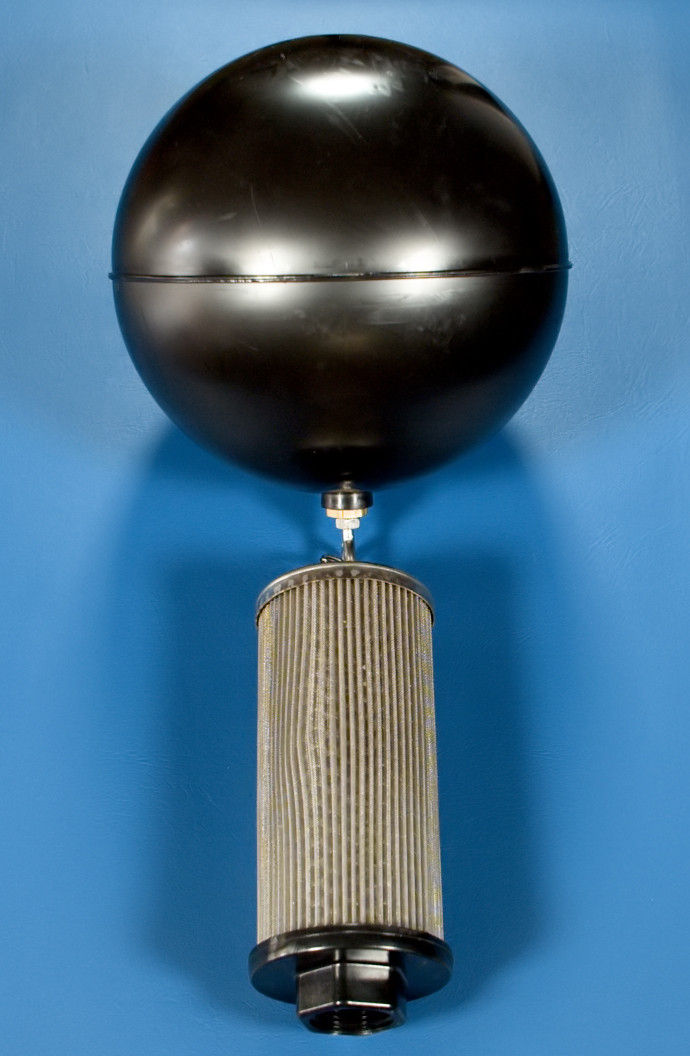
Rainwater. Collected from the roof into a cistern or tank. A floating intake filter draws from just below the surface, away from the sediment at the bottom.
Step 2: Move the water
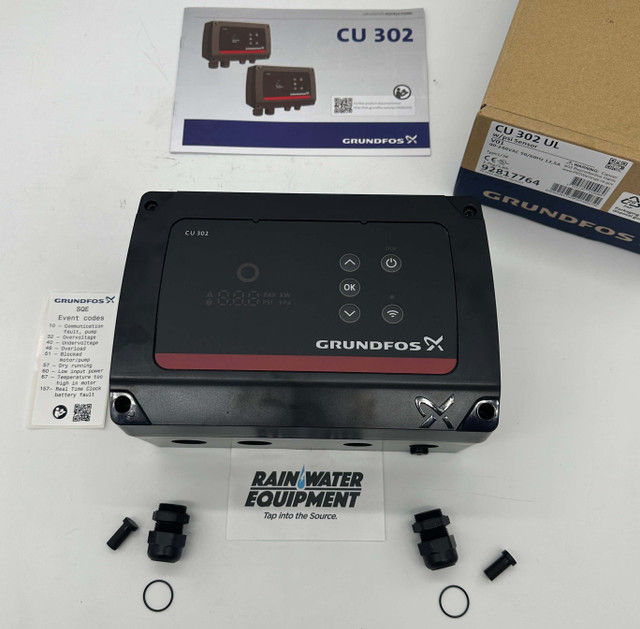
You have two basic setups. A submersible pump sits in the well or tank and pushes water up to the house. A booster pump sits indoors next to a storage tank and pulls water from it. Either way, size the pump for the flow you need at the taps and the pressure you want. Our pump guide explains GPM, PSI and constant pressure.
Step 3: Treat the water
After the pump, water goes through a sediment filter, an optional carbon filter for taste and odour, then a UV system. UV disinfection only works on clear water, so filtration always comes first. Our filtration guide covers micron ratings and UV sizing.
Step 4: Plan for power and winter
The pump and UV system both run on electricity. On a solar system, include them in your daily load and check that your inverter can start the pump. Our solar sizing calculator helps you add it up.
Cold is the other big factor in Canada. Pumps such as the ESYBOX DIVER and E.SYBOX list a minimum liquid temperature of 0°C, so the tank, pump and treatment equipment need a space that stays above freezing. At a seasonal cottage, drain the lines when you close in the fall.
Frequently asked questions
In what order do the components go?
Source, intake screen, pump, then sediment filter, carbon filter and UV, and finally the house plumbing. With a booster pump, the storage tank comes before the pump.
Is rainwater safe to drink?
Not without treatment. It needs filtration and UV disinfection, and a lab test before you drink it. Check your province's guidance on drinking water.
Can I install the system myself?
We do not offer installation. Follow each manufacturer's instructions, check whether your municipality requires a permit, and have a licensed electrician handle the pump and UV wiring.
Want a second look at your water plan before you buy? Call 579-999-7666 (Monday to Friday, 9 a.m. to 5 p.m. ET), email support@offgridnexus.ca, or send us the details.