Water Filtration and UV Disinfection
Lake, well and rainwater can all carry sediment, and untreated water can carry bacteria. We carry sediment filters, Viqua filter housings, stainless steel floating intake filters, and UV systems from Luminor and Viqua. The guide below the products shows you how to put the stages in order and size them for your flow.


Put the stages in the right order
Treatment works from coarse to fine. Each stage protects the next one.
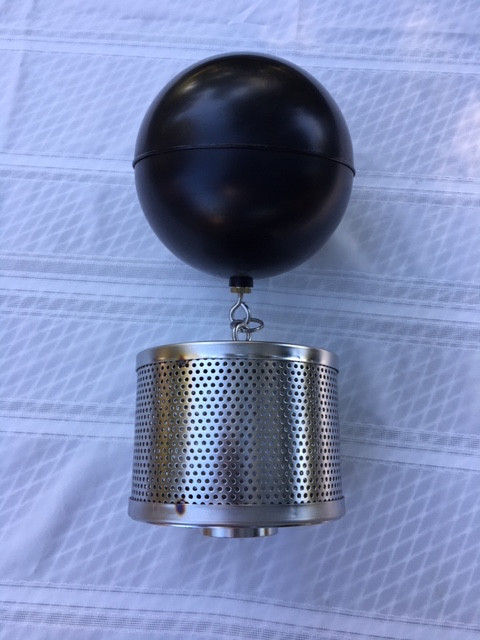
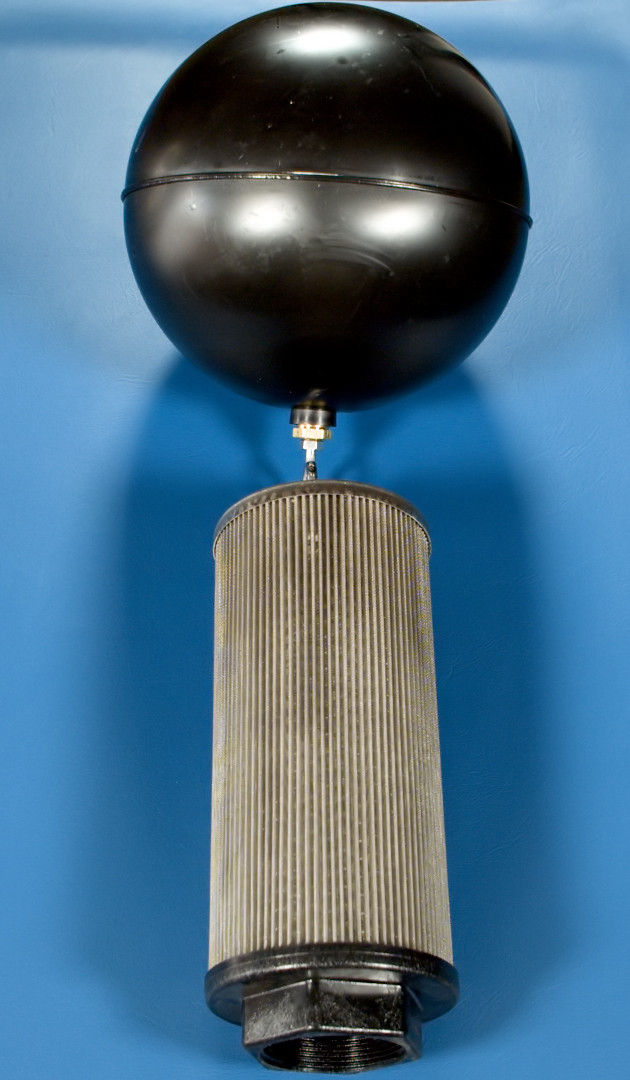
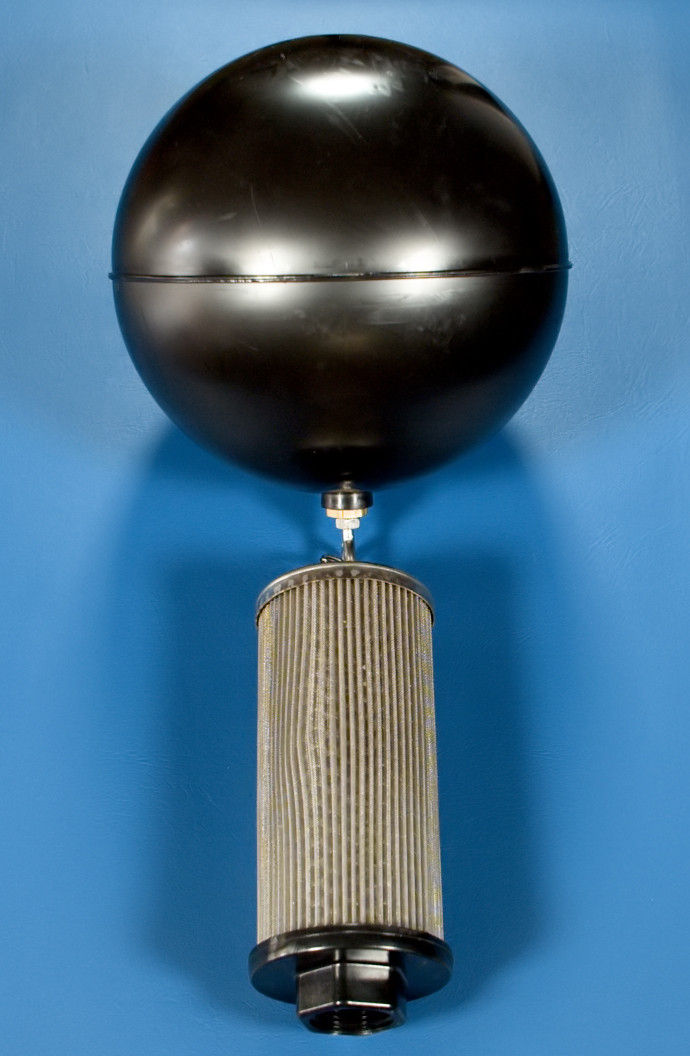
Intake screen. In a storage or rainwater tank, a floating intake filter draws water from just below the surface instead of the bottom, where sediment settles. Ours are stainless steel and made to feed an above-ground pump.
Sediment filter. Our sediment cartridge is rated 50 to 5 micron and measures 4.5" x 20". The Viqua housings come in 4.5" x 10" and 4.5" x 20" sizes with 1" connections.
Carbon filter (optional). Improves taste and odour.
UV disinfection. Always last. UV needs clear water to work, which is why the Luminor Blackcomb calls for 5-micron pretreatment and includes it.
Know your water source
Rainwater picks up whatever is on your roof. As our floating filter product pages note, a UV system is needed to sanitize rainwater.
Well water can look clear and still contain bacteria, iron or hardness. Only a test will tell you.
Lake and river water changes with the seasons. Spring runoff brings more sediment, so expect to change cartridges more often.
Size the system for your flow
Each UV system has a maximum flow in gallons per minute (GPM). Pick one rated at or above your pump's peak flow. The Blackcomb is rated 15 GPM. The Viqua Arros is rated 22 GPM, but its included carbon filter restricts flow to 12 GPM. Floating intake filters are sized the same way:
1": 10 GPM or less
1.25" in-tank: 12 GPM or less
1.5": 14 GPM or less
2": 20 GPM or more
2" high flow: 50 GPM or more
Frequently asked questions
Do I need to test my water first?
Yes. Test before you buy equipment and again after the system is running. A lab test shows bacteria and minerals that change what you need. Look for an accredited lab in your region.
How often does the UV lamp need changing?
Follow the manufacturer's schedule. On the Blackcomb, coated lamps are rated 9,000 or 10,000 hours depending on the series, and a countdown shows when a change is due.
Can I use a floating filter in a lake?
Our floating intake filters are designed for storage and rainwater tanks. For a lake or river intake, call us so we can look at your setup. To see how all the parts connect, read our off-grid water system guide.
Have your water test results in hand? Send them to support@offgridnexus.ca, call 579-999-7666 (Monday to Friday, 9 a.m. to 5 p.m. ET), or ask us for help choosing your filters.